
Who is Jean Jullien?
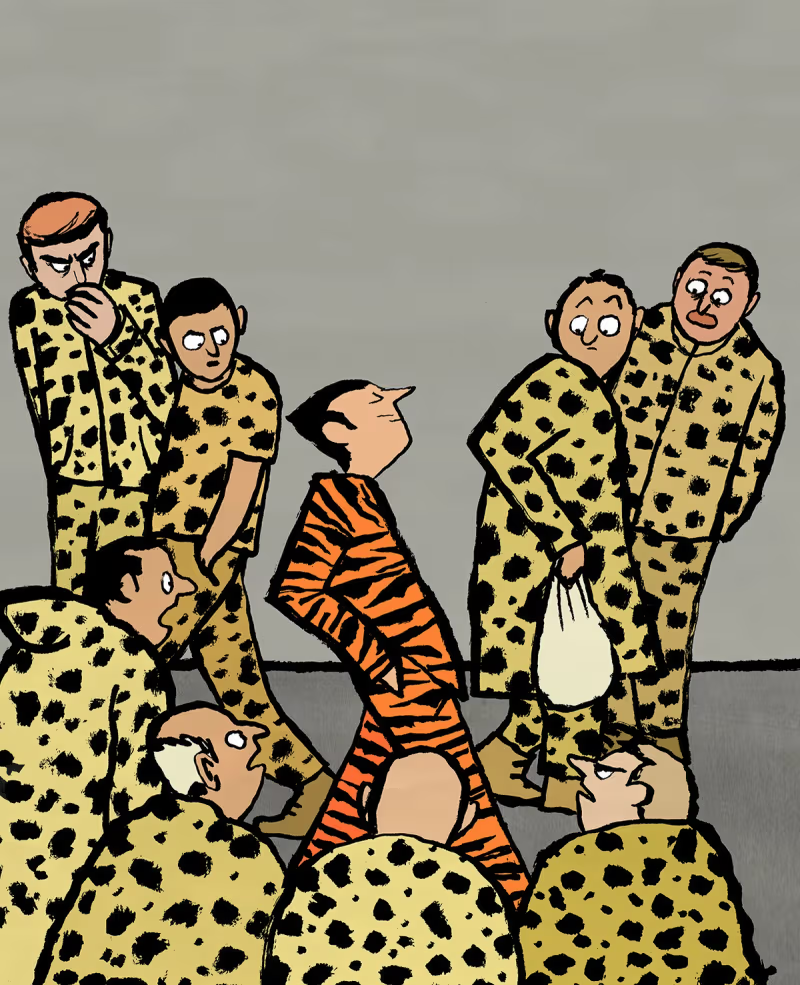
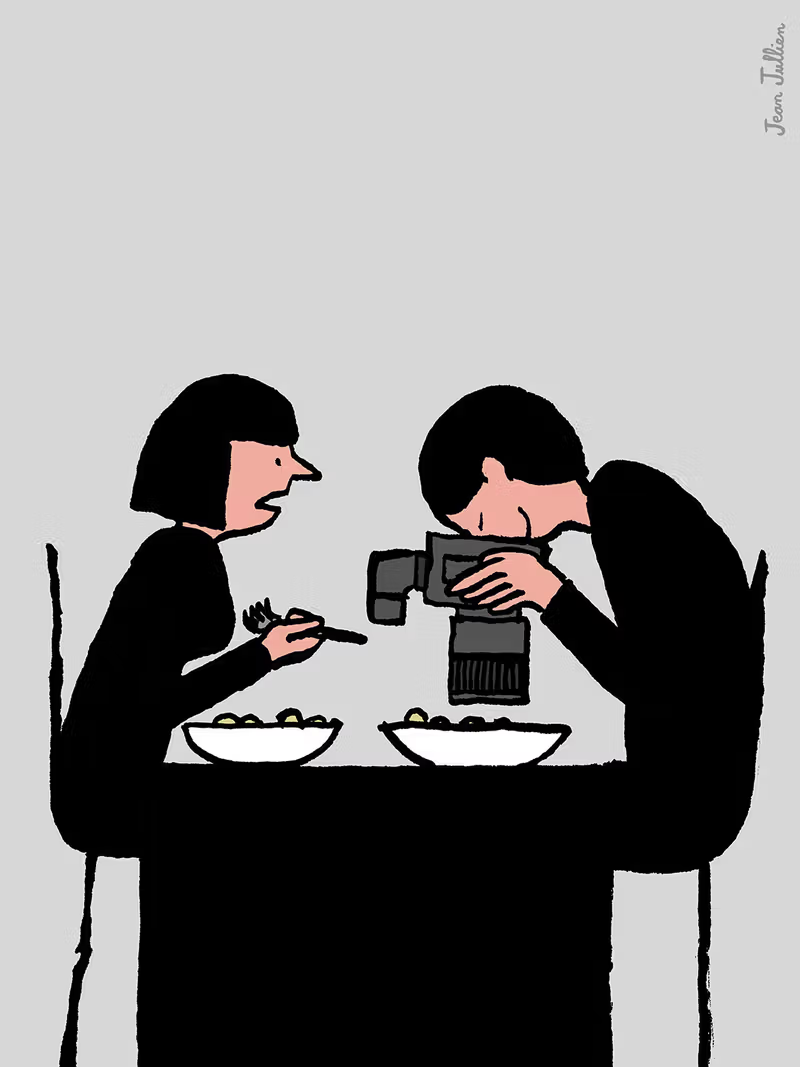
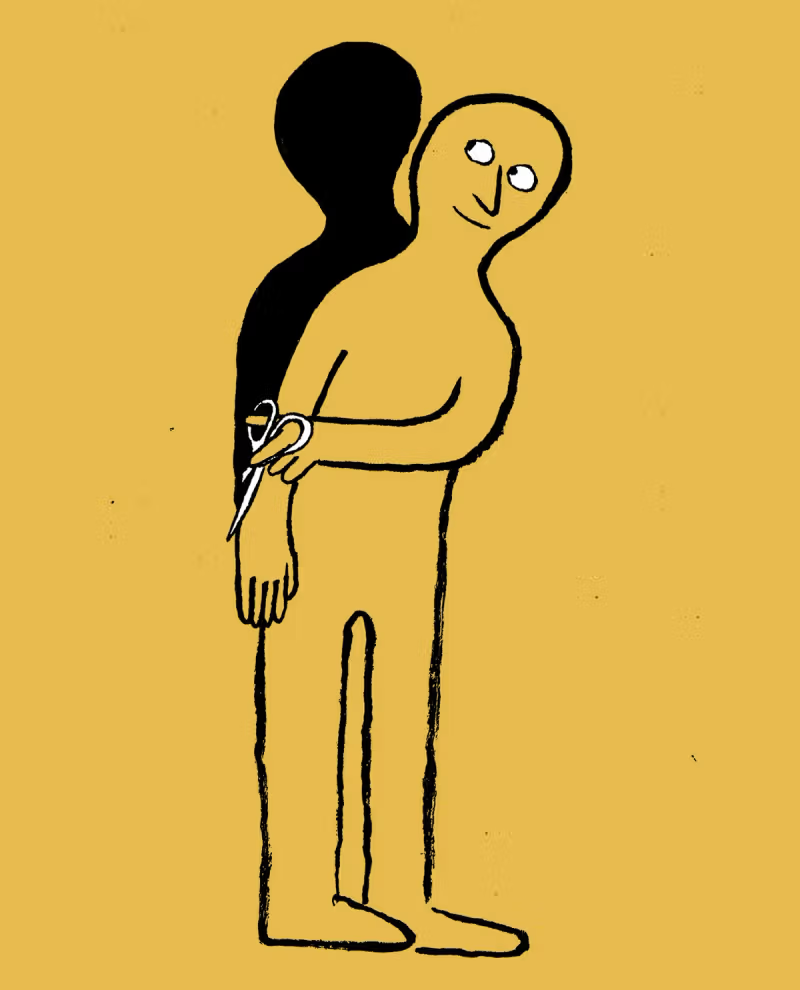
Before being a name that is exchanged between design enthusiasts, Jean Jullien is an observer. This French artist, who settled in Paris after conquering London, has become one of the most recognizable figures in contemporary visual art. His secret? A thick black line, drawn with a brush, which seems as spontaneous as a note scribbled on the corner of a table.
Yet this simplicity hides a rare talent: that of translating complex feelings; the absurdity of social networks, urban loneliness or the tenderness of a family meal; into an image understandable by all, regardless of language or culture. From his collaborations with the New York Times to his exhibitions in Japan, Jean Jullien has become the visual chronicler of our modern daily life.
A monograph: The story of a life of creation
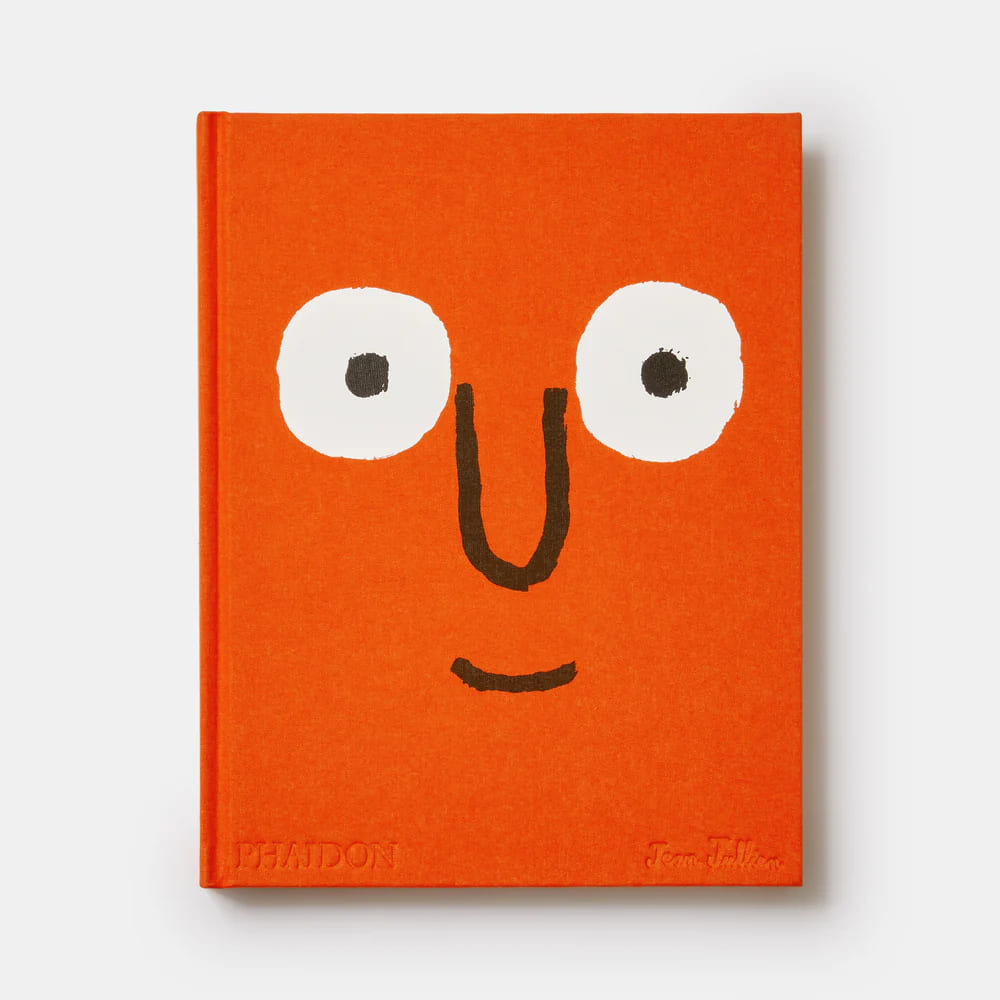
The book Jean Jullien, published by Phaidon, is not a simple collection of images; it is a monograph. For those who are not familiar with the term, it is the equivalent of a visual biography. It is a book that dwells on each stage of a career to explain its evolution, doubts and successes.
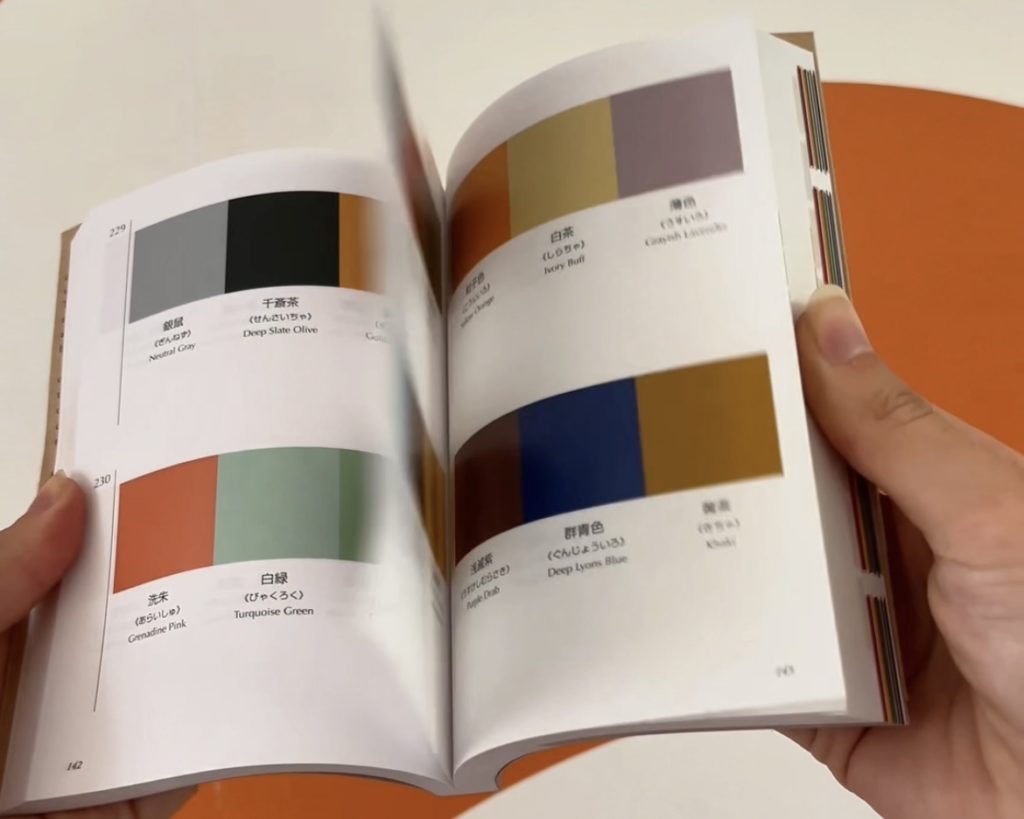
When you open this book of more than 250 pages, you don’t just skim over drawings; you go back in time. You discover how the student at Central Saint Martins became the accomplished artist of today. This book is a precious archive that shows that his style was not born by chance, but that it is the result of years of experimentation, notebooks filled in the subway and precise chromatic research.
A journey in three dimensions: Personal, Collaborations, Public
To better understand the density of his work, the book is divided into three main pillars that structure his existence:
- Personal: This is where the heart of the book beats. We see his childhood sketches, his more intimate paintings and his reflections on his own life. This is the most touching part, the one where we understand that his art is inseparable from his view of his loved ones.
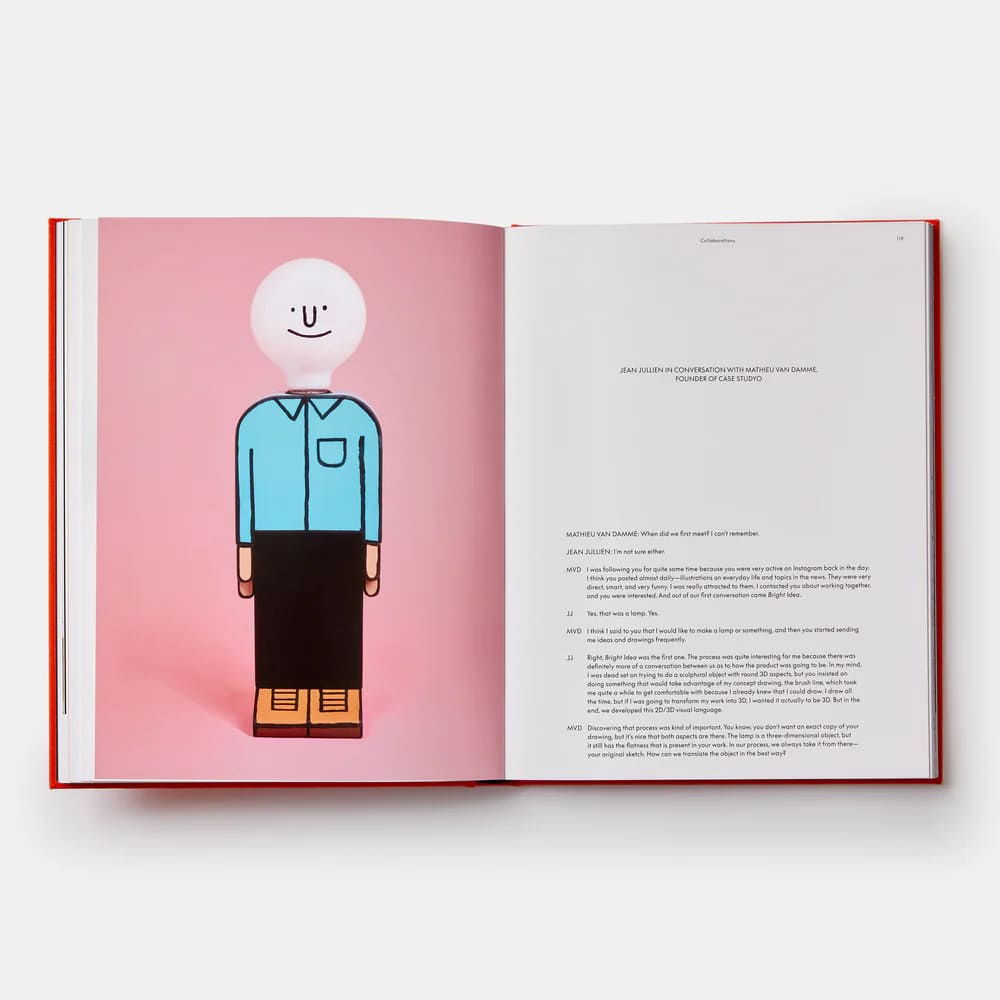
- Collaborations: Jean Jullien does not live in a bubble. He has transformed everyday objects (clothes, skateboards, ceramics) into supports of expression. This section shows his ability to adapt his line to all surfaces without ever losing his identity.
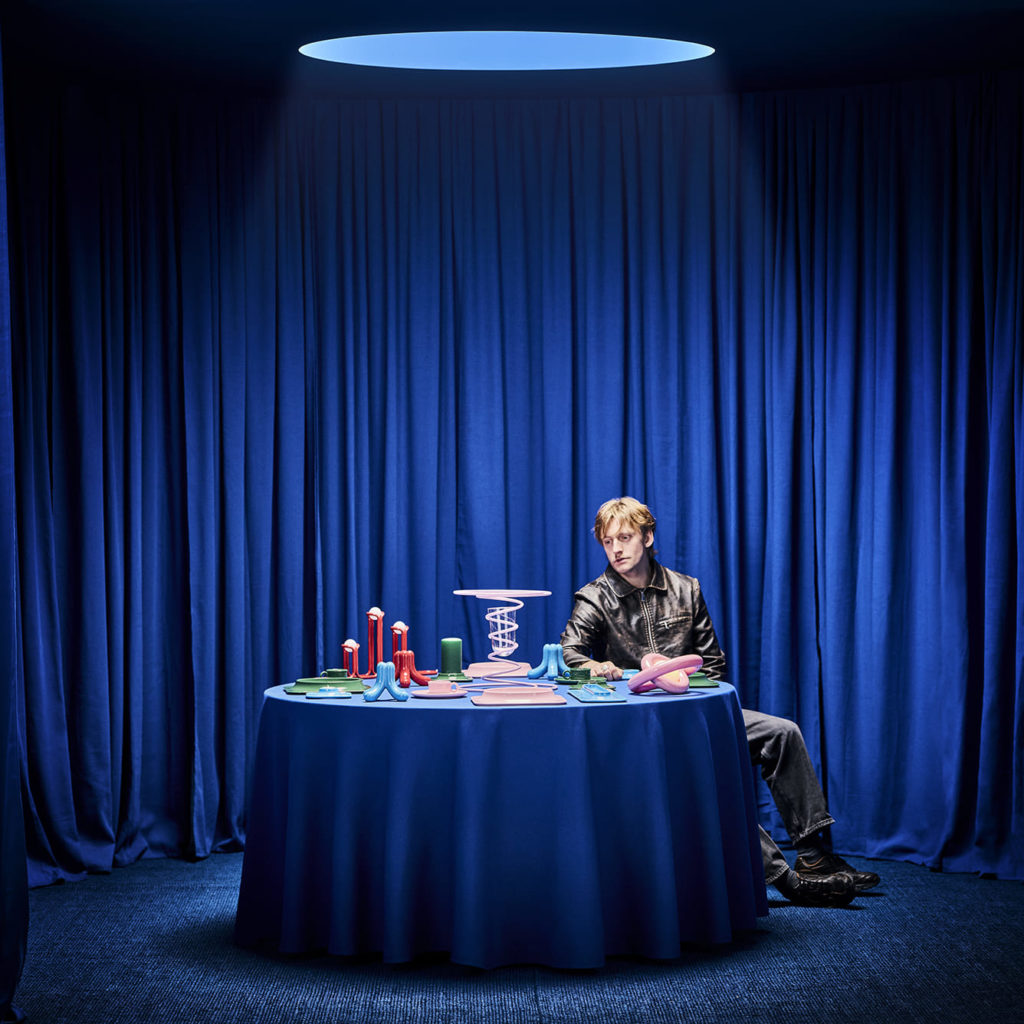
- Public Space: This is undoubtedly the most impressive facet. His characters come out of the paper to become giant sculptures in parks or immersive installations in museums. The book does justice to these large-scale projects that change our perception of the city.

Why this book is a design lesson
What makes reading this book so rich is the constant demonstration that “saying more with less” is a work of high precision. Jean Jullien purifies his compositions until every point and curve is indispensable. If he removes a line, the emotion disappears. If he adds one, the image becomes talkative.
It is this quest for accuracy that is fascinating. We learn, as the pages go by, to look at the world with a filter of clarity. We realize that a strong idea does not need embellishments to exist, it only needs to be sincere.
A natural resonance with the art of living
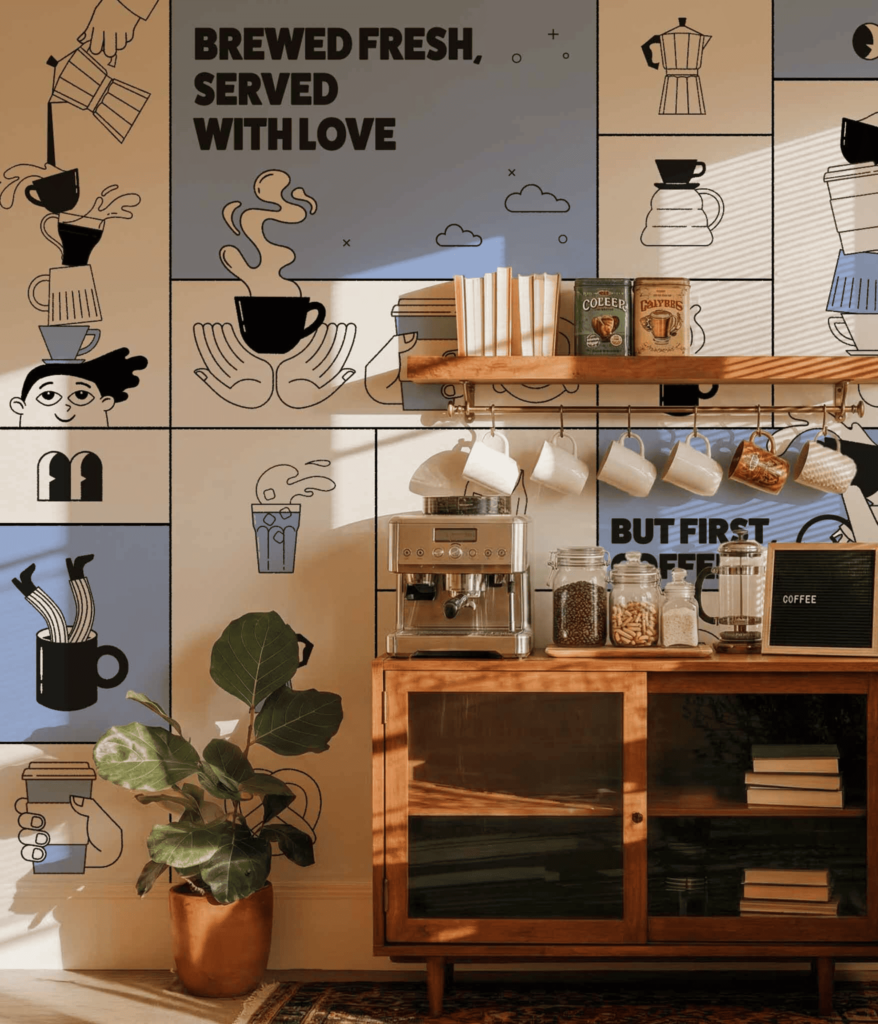
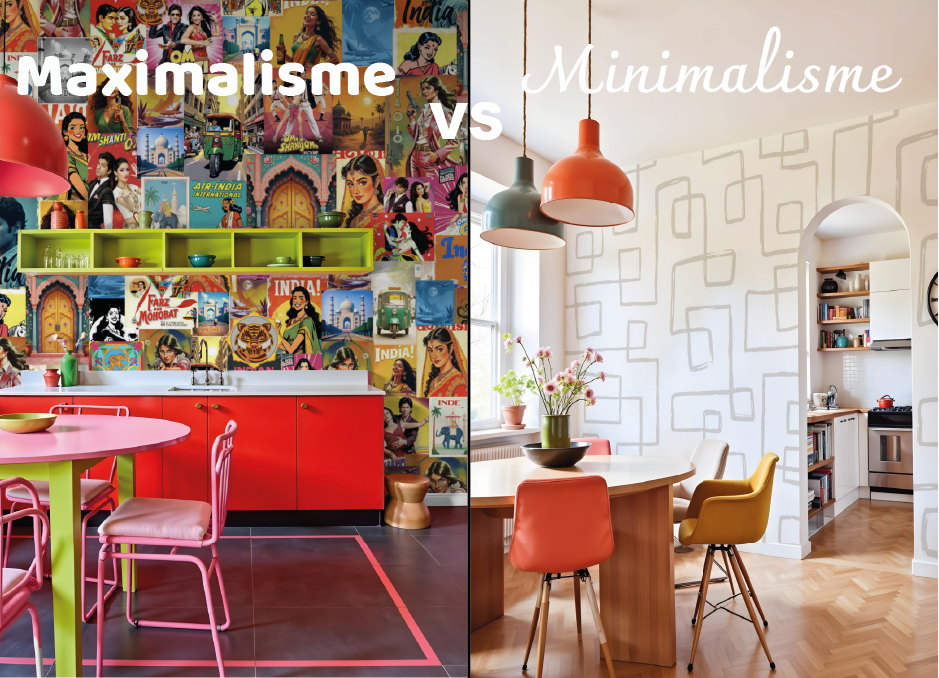
For those interested in interior design, this book offers a new perspective. It reminds us that we inhabit a space as we inhabit an image. Decoration, like Jullien’s work, is a question of balance between the full and the empty.
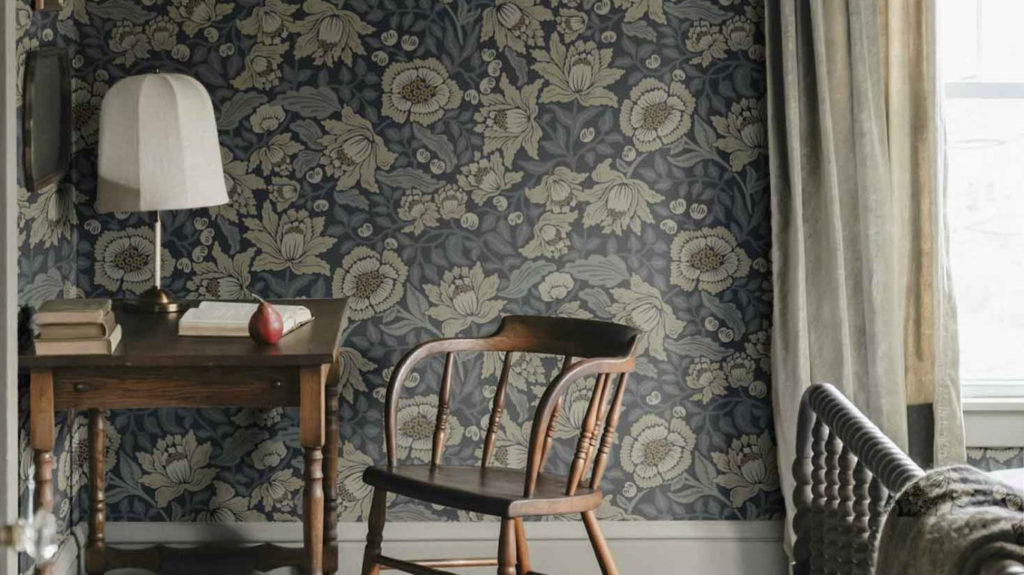
Whether it’s choosing a painting or a wall covering, the lesson is the same: you have to look for the element that will create a dialogue with the viewer. A beautiful wallpaper, like a beautiful illustration, should not only fill a wall; it should tell a story or provoke an immediate emotion. This book is an invitation to bring this simplicity and visual intelligence back into our own homes.
Related Posts