
Some chairs are simply unforgettable. Even if you don’t know their name, you’ve probably seen them somewhere: in a cult film, a design hotel, or somewhere along a scroll that went a little too far on Pinterest.
An iconic chair is one that catches the eye and asserts its style without overdoing it. It shapes a space, sets a mood, and can almost become a centerpiece on its own. More than just a piece of furniture, it’s a bold design statement.
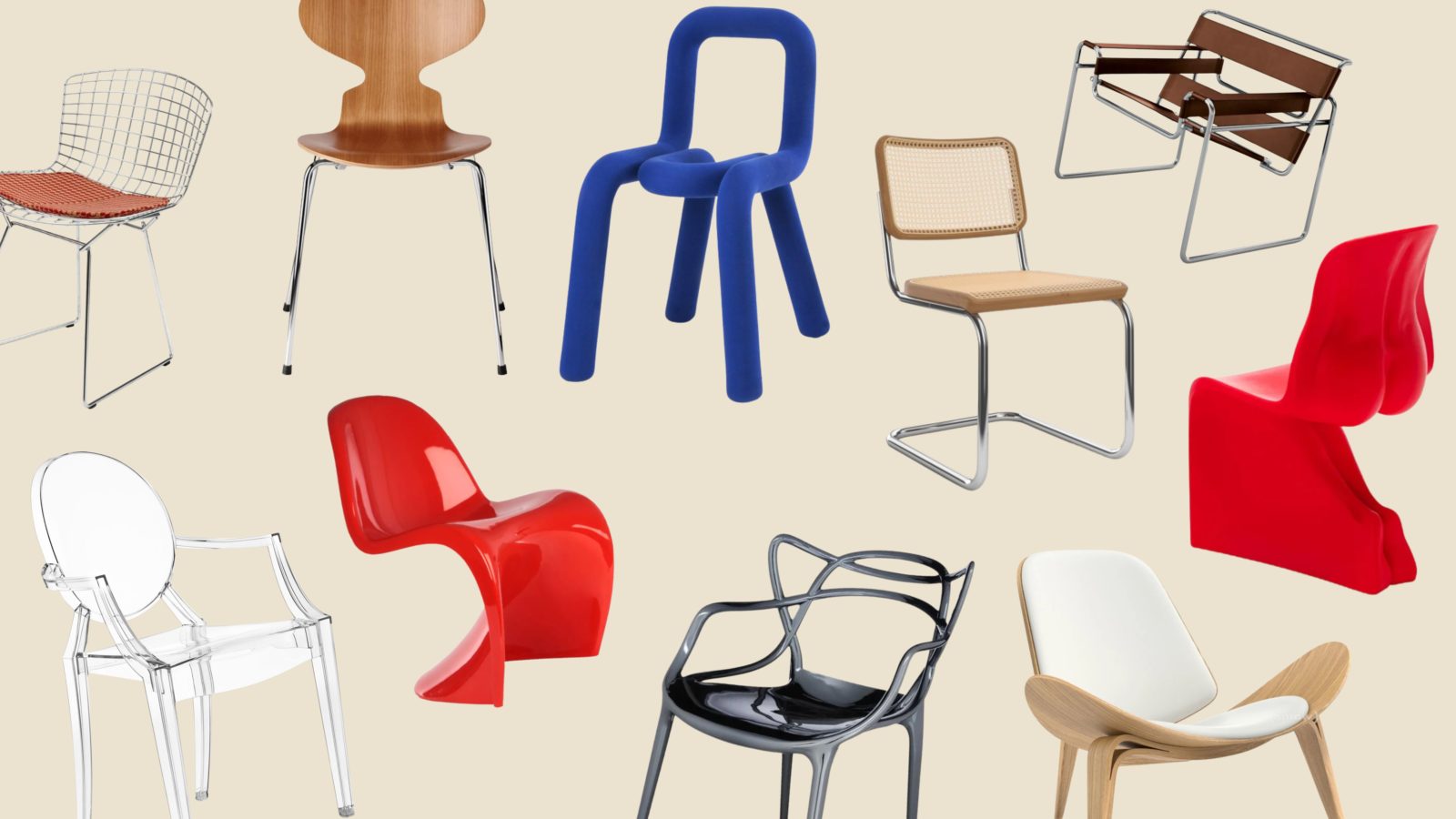
In this article, we take you on a journey through iconic chairs that have left their mark on design history. From cult classics to more contemporary creations, they all share one thing: they continue to inspire our interiors today, never going out of style.
THE WASSILY CHAIR
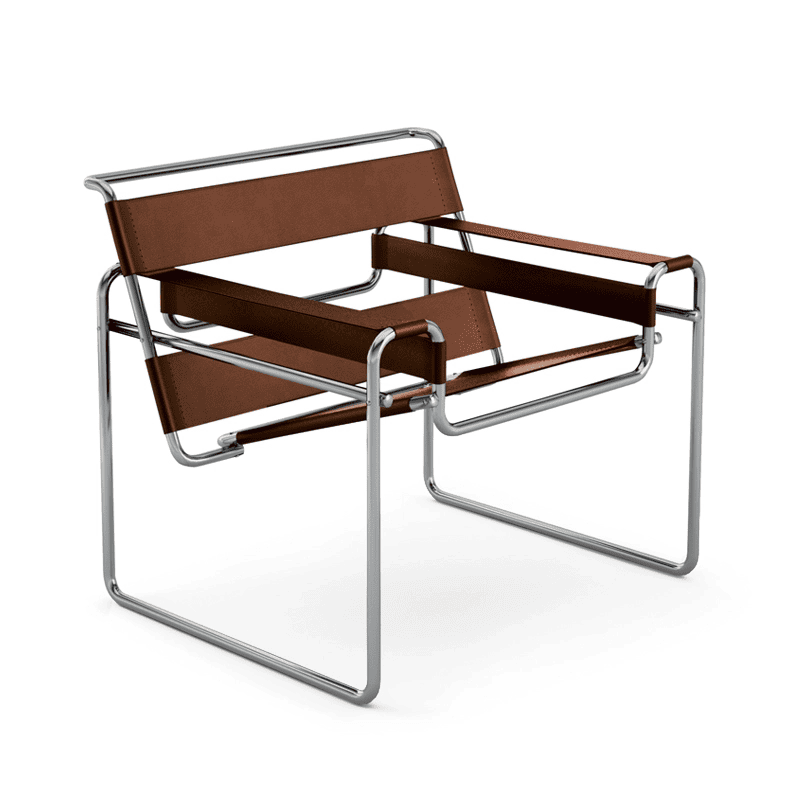
Created in 1925 by Marcel Breuer at the Bauhaus, the Wassily revolutionized design at the time with its steel tubing and stretched leather that seem to float in midair.
It owes its name to the painter Kandinsky, who adored it and swore by it in his studio, turning this chair into a true modernist icon.
Even today, it remains a symbol of timeless elegance and boldness.
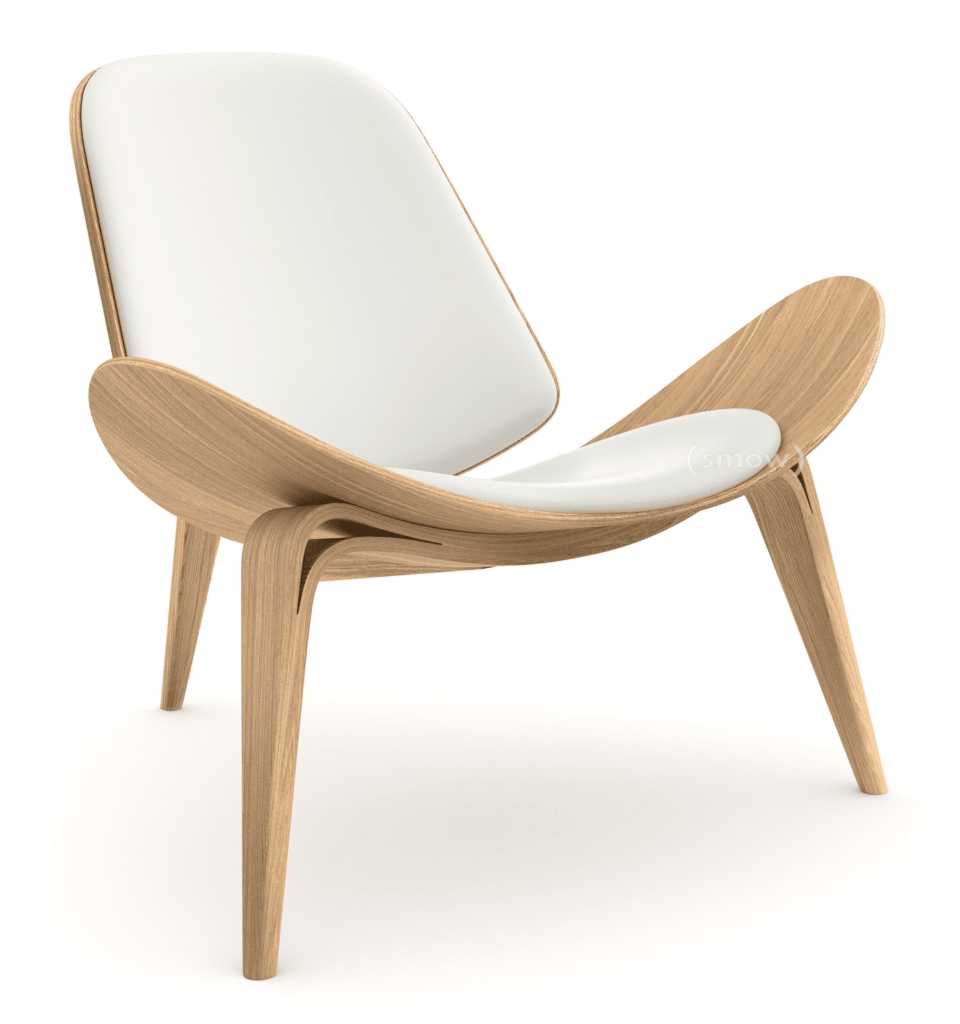
THE SHELL CHAIR
Created in 1963 by Danish designer Hans J. Wegner, the Shell Chair is instantly recognizable by its shell-shaped seat and three wooden legs, giving it a light, almost sculptural appearance.
At the time of its release, its daring look was too much for the era: sales were poor, and it even vanished from the catalog for several years. It wasn’t until the 1990s that it was rediscovered and finally became the Scandinavian design icon we know today.
THE PANTON CHAIR
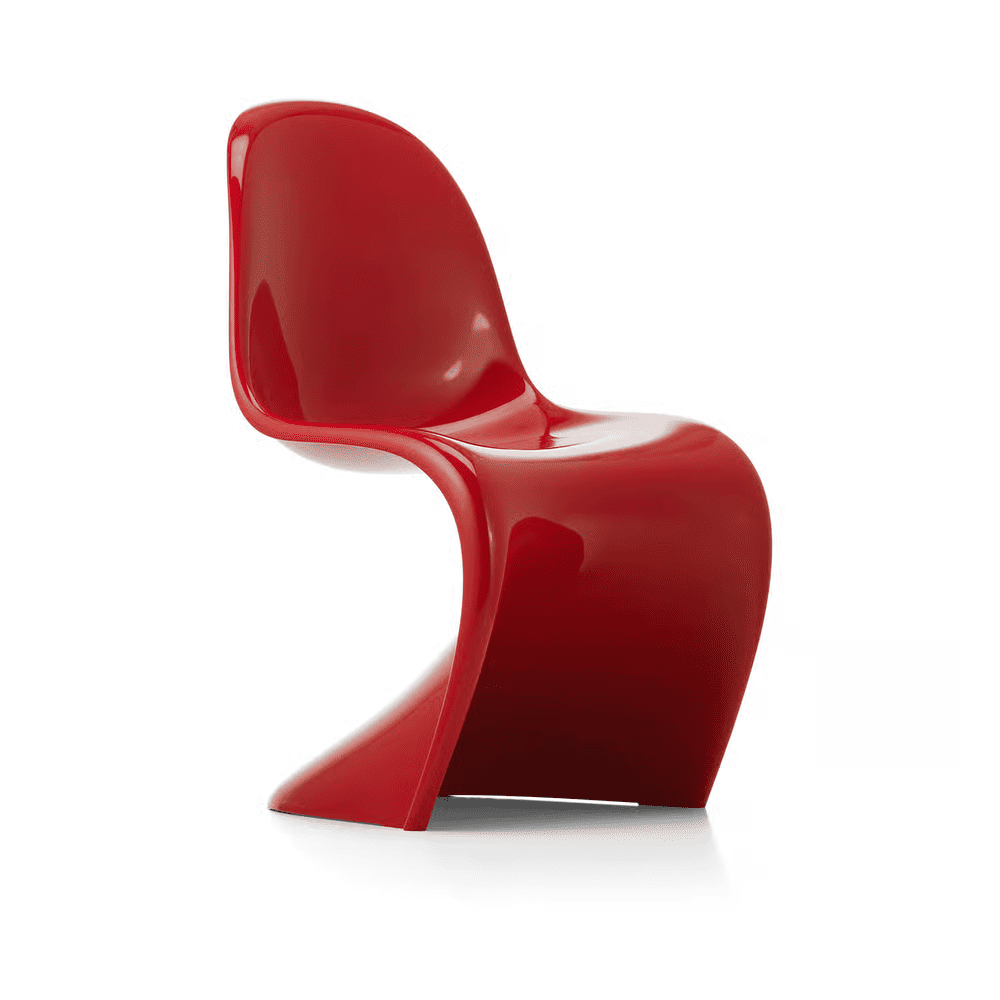
Created in the 1960s by Danish designer Verner Panton, the Panton Chair is instantly recognizable by its S-shaped silhouette and continuous curves. Molded from a single piece, it became the first industrially produced plastic monoblock chair: a true design UFO at the time.
As early as the 1950s, Panton dreamed of a lightweight, one-piece chair. He worked through years of prototypes before finding the right technology, thanks to his collaboration with Vitra in the early 1960s.
Too futuristic for some, captivating for others, it gradually established itself as one of the boldest design pieces of the 20th century and was inducted into the Danish cultural canon in 2006.
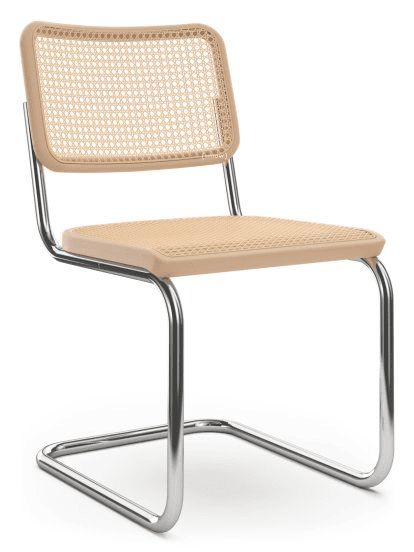
THE S32 CESCA CHAIR
In 1928, Marcel Breuer created the S32, a cantilever chair (meaning it has no back legs) combining bent steel tubing with a cane seat. It is an innovation that blends lightness, comfort, and modernity.
Renamed Cesca in honor of Breuer’s adopted daughter Francesca, it was at the heart of a small historical debate: several Bauhaus designers claimed the cantilever structure, and the question of who truly invented it is still debated.
Its iconic silhouette has been copied thousands of times: it’s probably easier to find a reproduction than an original signed piece, a testament to the Cesca’s status as a true design legend.
THE BOLD CHAIR
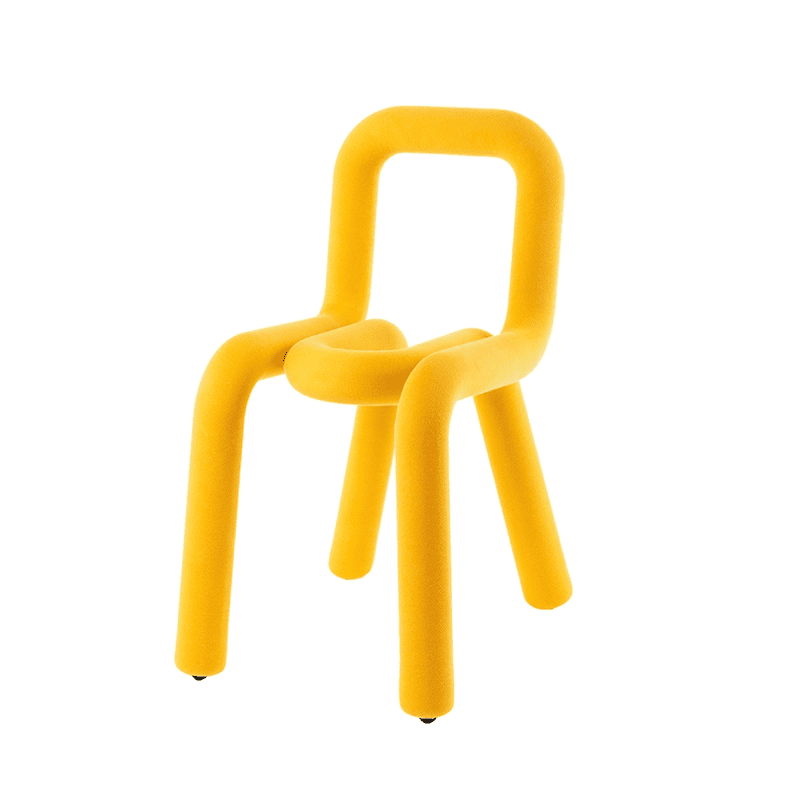
Impossible to mistake it for any other. The Bold, designed in 2009 by the Swiss collective Big Game for Moustache, is a daring chair whose continuous lines form the legs, seat, and backrest, padded with foam for an almost sculptural look.
Its manufacturing story is almost unbelievable: inspired by the Bauhaus, the designers wanted a chair “made entirely of lines.” After many trials, they even teamed up with a sock manufacturer: the only one capable of knitting a fabric flexible enough to wrap the foam without deforming it. This unlikely collaboration makes the Bold truly unique in contemporary design.
THE BERTOIA CHAIR
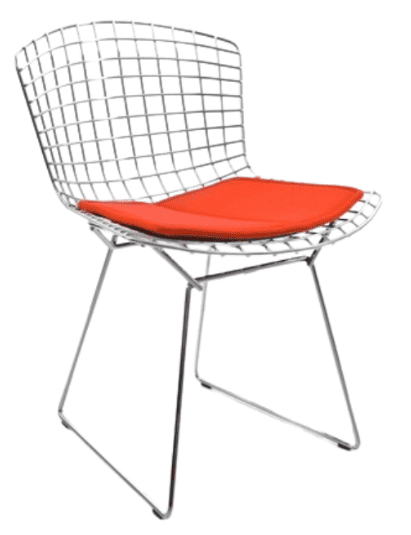
In 1952, Italian-American designer and sculptor Harry Bertoia created his wire chair for Knoll: a light, open structure that feels almost sculptural. Bertoia said he wanted his chairs to be “made mostly of air,” allowing space to pass through and giving a uniquely airy sensation.
Originally, each chair was curved and welded by hand, an artisanal process that made production delicate despite its apparent simplicity. Its design marked the era by completely rethinking what a metal chair could be, combining transparency, comfort and modernity.
THE ANT CHAIR
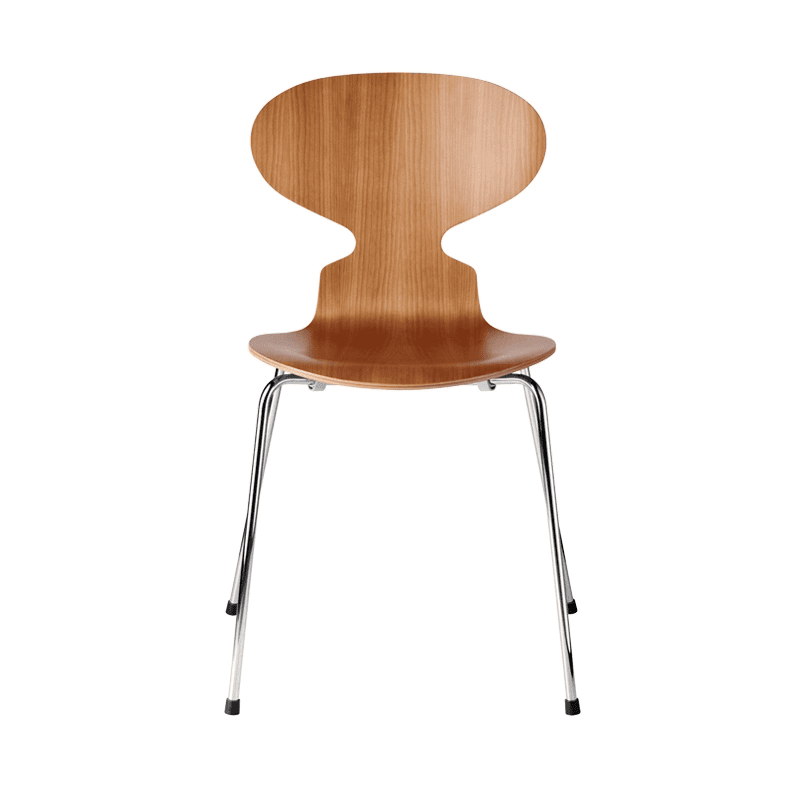
Created in 1952 by Danish designer Arne Jacobsen, the Fourmi is distinguished by its finely curved backrest reminiscent of the silhouette of an ant. Lightweight and stackable, it was originally designed for industrial use in the cafeterias of the Novo Nordisk company.
Quickly, its minimalist and functional design seduced the general public, and the Ant became a classic of Danish modernism, proof that even a canteen chair can end up in a design and elegant interior.
THE LOUIS GHOST CHAIR
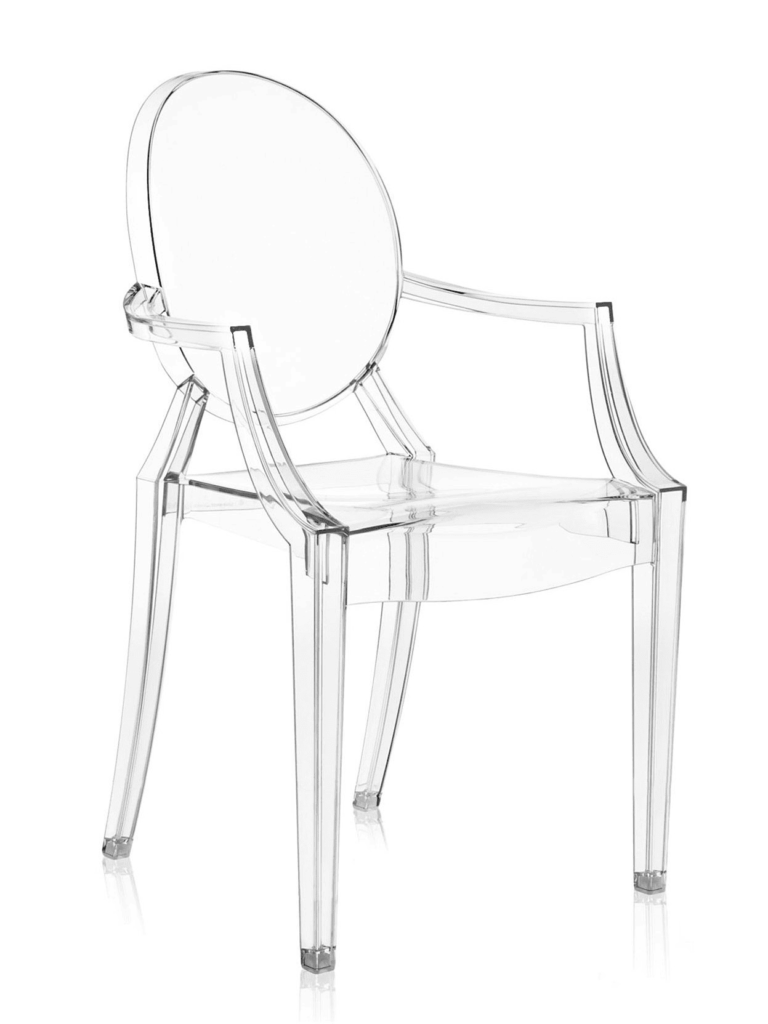
Created in 2002 by Philippe Starck for Kartell, the Louis Ghost boldly reinterprets a classic Louis XV-style armchair into a fully transparent polycarbonate model that is as light as an illusion. With this seat, Starck has elevated plastic to the same level as wood or metal for high-end design, while keeping his humor and his desire to democratize design.
Quickly iconic, the chair had unusual moments: in 2007, she accompanied Pope Benedict XVI in a moment of great spirituality, and she was also found next to Anna Wintour, attending a fashion show with Queen Elizabeth II. An object that is light, bold and… Royal
The Her Chair
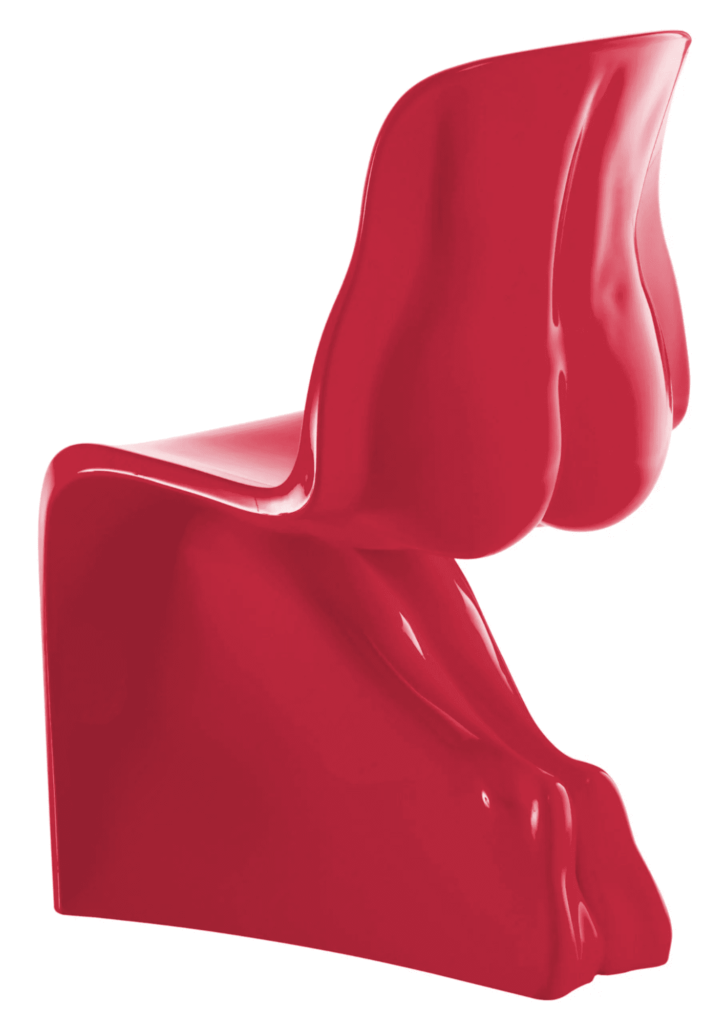
Created in 2007 by Fabio Novembre for Casamania, the Her Chair is distinguished by its sensual curves inspired by the human body. Its design is not arbitrary: it is directly derived from a 3D scan of a plaster sculpture, which gives it realistic shapes that look both sculptural and welcoming.
Her is part of a duo, Him & Her, that plays on the idea of harmony between the sexes, a conceptual approach that transforms the chair into a true piece of dialogue between aesthetics and function.
Since its presentation, it has often surprised and seduced by its ability to question our relationship to the body, to nudity and to the way we sit… while remaining a comfortable and practical seat.
THE MASTERS CHAIR
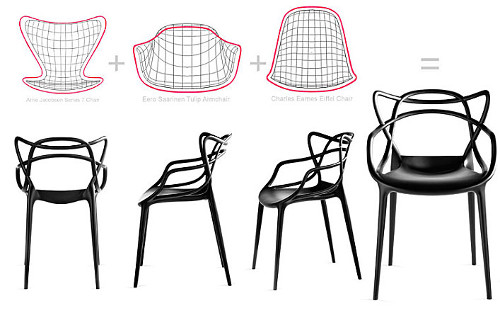
Created in 2009 by Philippe Starck and Eugeni Quitllet, the Masters is an original chair born from a visual mix of three design icons: the Series 7 by Arne Jacobsen, the Tulip Armchair by Eero Saarinen and the Eiffel Chair by Charles and Ray Eames. An elegant way of showing that “we were not born today, there were masters before us”.
Its graphic and light backrest immediately appealed: in less than six months, more than 100,000 copies were sold worldwide, a rare achievement for a piece of contemporary design.
From the airy metal of Bertoia to the voluptuous curves of the Her, these chairs don’t just furnish your interiors: they tell stories and cross the ages.
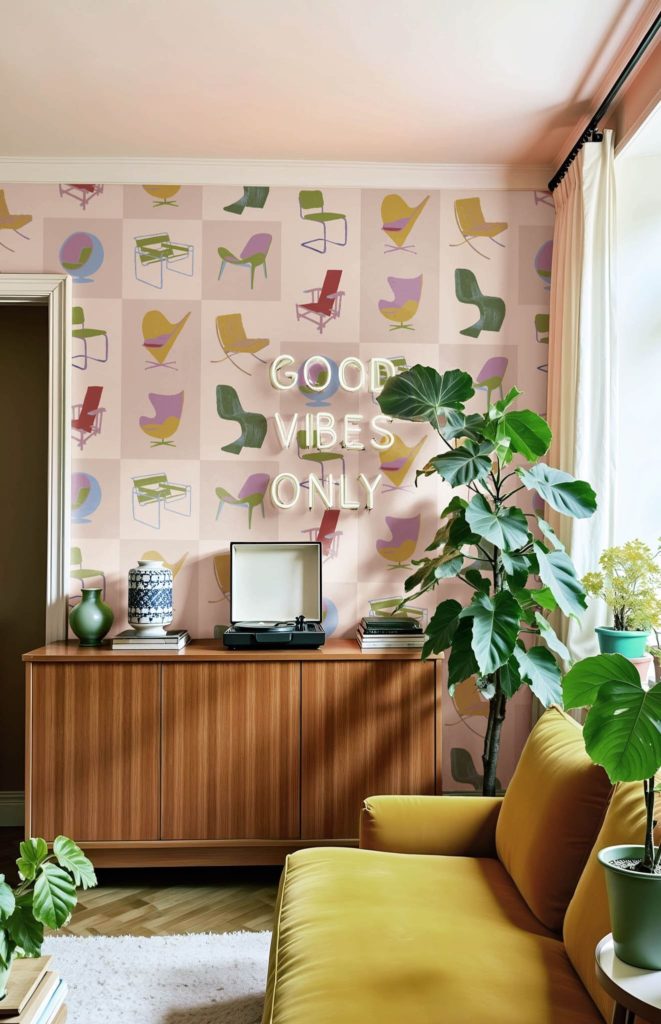
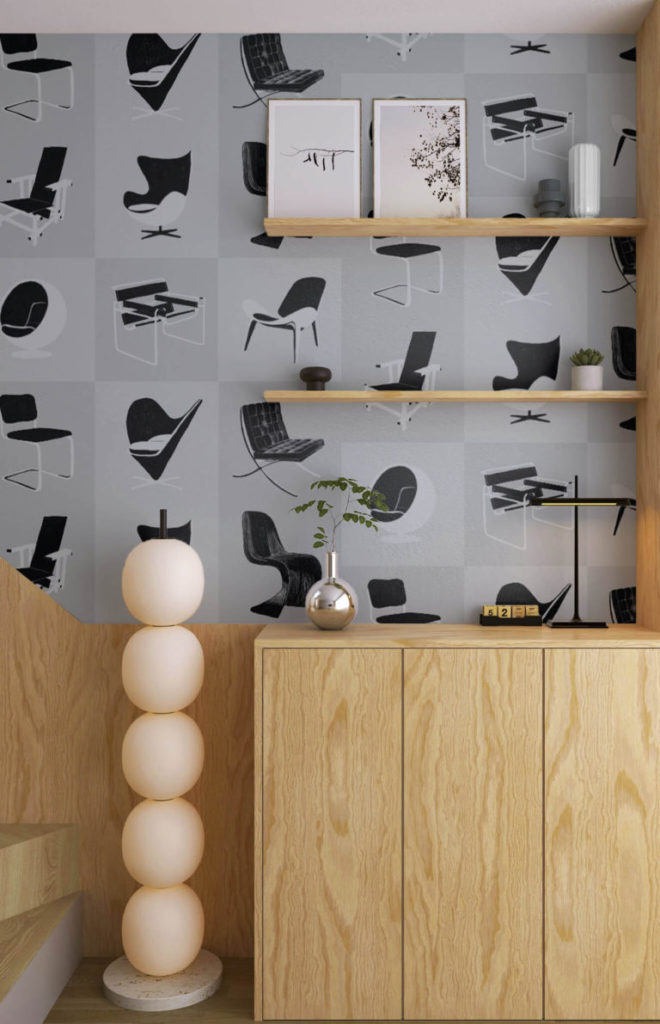
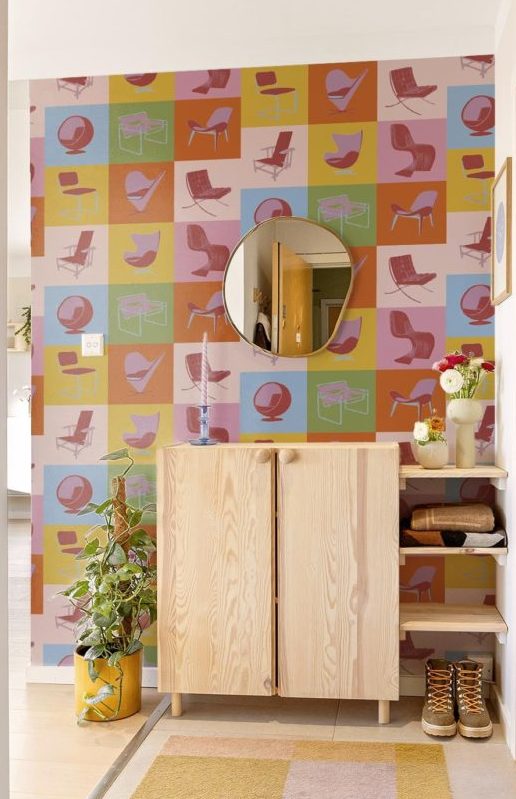
And because we love them, we have dedicated a unique wallpaper to them: N°786 – Wallpaper – Sit down!, with stylized chairs in a lively choreography. Available in 3 colors, it adapts to all your desires!
So, what are you waiting for?
Related Posts